Claude's New Memory System, Explained
Claude unified memory across Chat and Cowork with a new hierarchical architecture built on progressive disclosure. Here's what changed, why it matters, and how to get more out of it.
Read workFlowers' blog for practical guides on workflow automation, analytics, and AI for startups across Asia Pacific. Get ideas you can apply today.
Claude unified memory across Chat and Cowork with a new hierarchical architecture built on progressive disclosure. Here's what changed, why it matters, and how to get more out of it.
Zapier’s Next Gen Zap Workflows move automation from drag-and-drop builders into TypeScript. Here’s what code-first workflows unlock, and what the learning curve looks like.
Three recent updates to Notion's AI skills (file attachments, automatic invocation, and team-wide defaults) have closed most of the gap with Claude. Here's what changed and why it matters.
How Knoxx Foods built the operational foundations that make AI actually useful.
How NTUC cut hours of manual work by automating social media comment exports, AI analysis, and reporting

Five layers — files, plugins, sub-agents, memory, and scheduled tasks — that turn Claude Cowork from a chatbot into the coworker running ops before you've had coffee.
We built a contact enrichment pipeline for our Notion CRM using Apollo.io, HarvestAPI via Apify, and Zapier — for roughly $0–5/month. Here's the full architecture, the cost breakdown, and why CRM vendors charging $2–3K/year for the same capability is a broken model.
Lessons from building multi-turn AI agents across Zapier Agents, Notion Custom Agents, and Relevance AI — covering context window management, system prompt bloat, sub-agent trade-offs, and context rot.
How reusable AI skills across Claude, Notion, and Linear have replaced prompt engineering as the highest-leverage way to make AI tools actually useful.
We built a custom CRM in Notion — powered by 30+ Zapier automations, AI agents, and deep integrations — that tracks contacts, emails, meetings, deals, invoices, and leads automatically. Here's the full architecture.
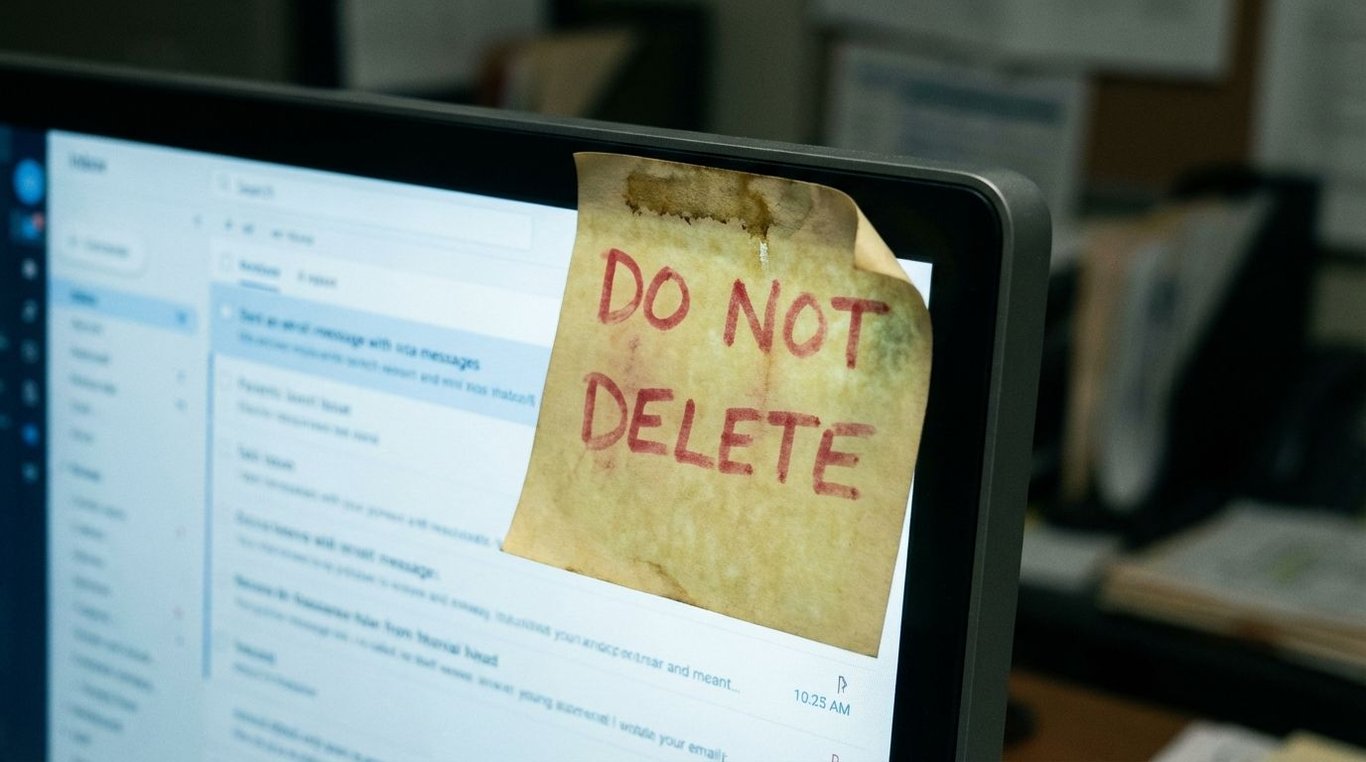
When Meta's AI safety director lost 200 emails to a runaway agent, it wasn't a hack — it was context window compaction silently dropping her safety instruction. Here's why the future of automation is selectively agentic, and how to combine AI judgement with deterministic guardrails that actually hold.

